
Key Takeaways
- Amazon FBA shipping cost is a stack of charges covering origin work, main freight, destination handling, customs-facing steps, and final delivery to the fulfillment center.
- A reliable quote requires the China origin, final ZIP or postal code, commodity, cartons, gross weight, dimensions, cargo-ready date, and Incoterm.
- FCL cost is driven by container utilization, LCL by cubic meters with minimum charges, and air freight by chargeable weight, which compares actual and volumetric weight.
- Rates change with capacity, season, fuel, gateway, cargo characteristics, and event-based charges, so a past quote is not a current quote.
- Door-to-door is not automatically DDP, and importer, duty, tax, customs, and delivery responsibilities must be confirmed in writing for each shipment.
- When comparing quotes, compare included and excluded scope rather than the bottom-line number alone.
Amazon FBA shipping cost is not one fee but a stack of charges that begins at your supplier in China and ends when your cartons are received at an Amazon fulfillment center. Your budget is only as reliable as the shipment profile behind it, so the practical first step is not comparing headline rates but assembling complete cargo details. Once origin, destination, commodity, cartons, weights, dimensions, cargo-ready date, and Incoterm are fixed in writing, a forwarder can quote the actual scope instead of a placeholder number. This guide explains the cost structure for China-origin FBA freight moving to the United States or Canada and shows you how to request a quotation you can compare line by line.
Why a useful freight cost needs a complete shipment profile
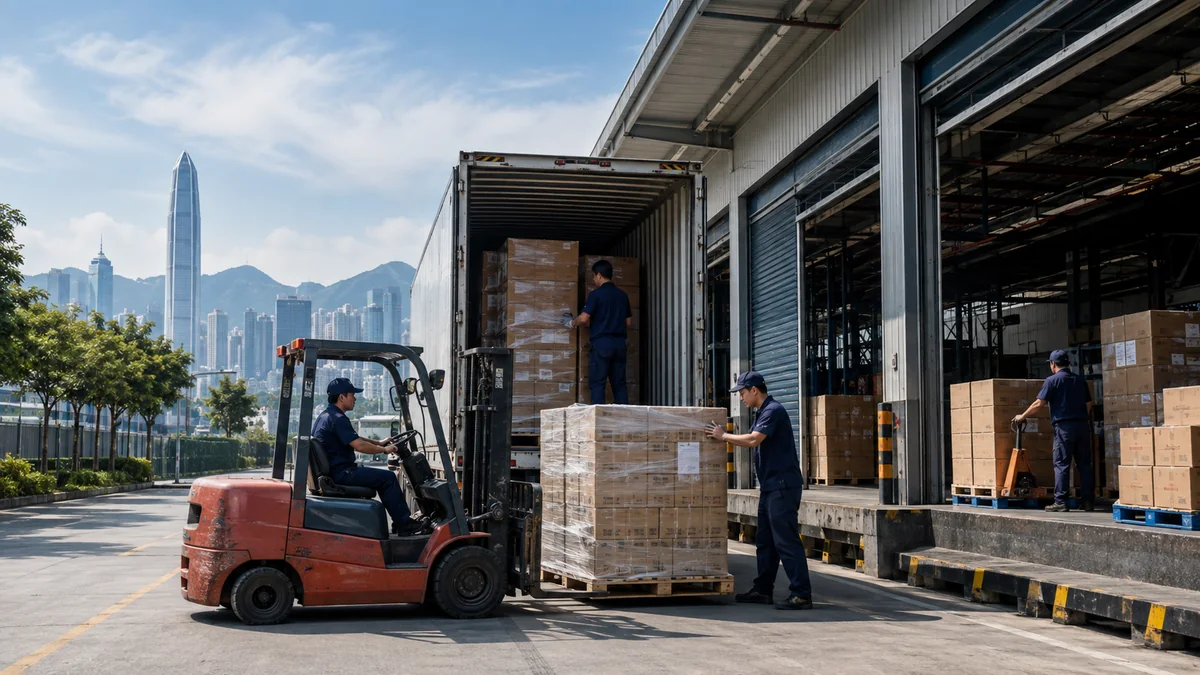
A freight quotation is a response to a set of shipment facts. Change one fact and the cost basis can change. A shipment of 12 cartons moving to a residential address near a major gateway is not priced like three pallets moving to an Amazon fulfillment center with appointment requirements. The commodity matters because some cargo needs additional handling, labeling, or documentation review. Carton count matters because it drives handling events. Gross weight and dimensions matter because carriers charge on either actual or volumetric weight, whichever is greater. The cargo-ready date matters because available capacity and seasonal demand shift over time.
The Incoterm decides where your responsibility starts and stops. Under FOB, your supplier handles export clearance and loading at the origin port, and your freight cost begins at the port of loading. Under EXW, you may also need supplier pickup in China. Under DDP, the seller arranges more of the journey, but the scope still must be confirmed in writing. Door-to-door service is not automatically DDP; importer, duty, tax, customs, and delivery responsibilities must be confirmed for each shipment. If any of these details are missing or assumed, the quoted number is a rough indication, not a budget figure.
Main freight, origin work, destination handling, customs-facing handoff, and final delivery
Every China-to-North-America door-to-door budget contains several component groups. Separating them makes it easier to see what a quote includes and what it excludes.
Main freight
This is the international leg: ocean FCL, ocean LCL, or air freight. It is driven by the transport mode, the volume or chargeable weight, the gateway pair, and the booking conditions confirmed at the time of shipment. This is also the component most affected by capacity and season.
Origin work in China
China-origin support may include supplier pickup, warehouse receiving, cargo consolidation, export-document coordination, booking, and loading milestones. If your supplier ships to a consolidation warehouse, receiving and consolidation are part of the scope. If cargo must be picked up from a factory, that pickup is a separate line. Export documentation coordination supports the export side; it is not the same as import clearance in the destination country.
Destination handling
After arrival, charges can include terminal handling, unloading, palletization or de-palletization, storage if cargo waits, and preparation for final delivery. Amazon fulfillment centers often require specific delivery methods or appointment scheduling, and those requirements should be stated in the quote request so the scope is priced correctly.
Customs-facing handoff
Customs-facing handoffs and destination delivery are coordinated through qualified North American partners. Rey Logistics is not a licensed US or Canadian customs broker. Import clearance, duty calculation, and compliance questions belong with a qualified customs broker or trade advisor. Your budget should separate brokerage and government charges from transportation charges so you can see the difference between freight cost and import cost.
Final delivery to the FBA destination
The last leg moves cargo from the arrival gateway to the Amazon fulfillment center or another destination. Accessorials such as liftgate, inside delivery, appointment scheduling, or residential delivery can apply. The exact final ZIP code or Canadian postal code is required because delivery cost depends on the destination, not just the country.
FCL utilisation, LCL CBM, and air chargeable-weight cost drivers
The mode you choose changes which measurement drives your cost.
FCL: pay for the container, manage utilisation
With a full container load, you book the container and the main freight is tied to that container rather than to each carton. That makes utilisation the key cost driver. If you load 20 CBM into a container that could hold much more, your effective cost per unit rises. If cartons are stacked inefficiently or pallets are configured poorly, you lose billable space. A practical budget exercise is to compare the total cubic volume and weight of your shipment against realistic container loading, then decide whether consolidation with other SKUs improves utilization.
LCL: pay by volume, watch the CBM
Less-than-container-load freight is generally priced by cubic meter, with a minimum charge that makes very small shipments proportionally expensive. LCL also adds handling at consolidation and de-consolidation points. The main cost drivers are CBM, gross weight, commodity, and the specific gateway pair. When your volume approaches a meaningful share of a container, comparing LCL and FCL is worth doing, because the crossover point depends on the actual shipment and current conditions.
Air: chargeable weight, not just scale weight
Air freight compares actual gross weight against volumetric weight, calculated from dimensions using a carrier volumetric divisor. The higher number is the chargeable weight. Light but bulky FBA cartons can therefore be expensive by air because volume, not scale weight, drives the charge. Air freight also has different documentation and cut-off timing considerations than ocean freight, all of which must be confirmed for the specific shipment.
| Mode | Primary cost driver | What to verify in writing |
|---|---|---|
| FCL ocean | Container booking and utilization | Container type, loading plan, origin and destination charges |
| LCL ocean | CBM, with minimum charges | Consolidation, de-consolidation, and destination handling scope |
| Air freight | Chargeable weight (actual vs volumetric) | Volumetric divisor, dimensions, and cargo-ready timing |
Why rates change: capacity, season, fuel, gateway, cargo, and event-based charges
Freight markets move. A budget built on a number quoted weeks ago may not reflect the booking conditions when your cargo is ready. Several forces drive this.
- Capacity and demand. Available space on vessels and aircraft changes with trade volumes and carrier decisions. When space tightens, pricing and booking options change.
- Season. Peak shipping periods around major retail and holiday cycles can affect space availability and pricing. Exact seasonal patterns must be confirmed for your lane and dates.
- Fuel and surcharges. Fuel-related surcharges and other carrier adjustments can be added to the base freight.
- Gateway. Different port pairs and airports carry different cost structures and inland distances.
- Cargo characteristics. Oversized, heavy, or specially handled cargo can attract additional charges.
- Event-based charges. Storage, demurrage, detention, re-delivery, and waiting time are common when documentation or delivery appointments are not ready when cargo arrives.
Because these factors are shipment-specific, never treat a past rate as a current rate. Ask for confirmation in writing tied to your cargo-ready date.
Quote-request checklist and how to compare included and excluded scope
A useful quotation needs the China origin, final US ZIP or Canadian postal code, commodity, cartons, gross weight, dimensions, cargo-ready date, Incoterm, and any special handling details. Prepare these before you ask for pricing.
- Confirm the China origin city or factory address and whether supplier pickup is needed.
- Provide the final delivery address or Amazon fulfillment center code and ZIP or postal code.
- Describe the commodity accurately and note any special handling requirements.
- List carton count, gross weight per carton, and dimensions per carton.
- State the cargo-ready date and your preferred mode.
- State the Incoterm and confirm who handles import clearance and duty.
- Ask each provider to mark every charge as included or excluded, and to name the party responsible for customs-facing steps.
When comparing quotes, do not compare the bottom line alone. Compare scope. A lower number that excludes destination handling, brokerage, or final delivery is not comparable to a quote that includes them. Ask whether the quote covers supplier pickup, consolidation, export documentation, main freight, destination handling, customs-facing handoff coordination, and final delivery to the FBA destination. Then confirm what happens if cargo arrives late, if dimensions differ from what was declared, or if the delivery appointment is missed. Those answers turn a rate into a budget.
Frequently Asked Questions
Does Amazon FBA shipping cost include Amazon's own fulfillment fees?
No. This article covers the freight and logistics cost of moving cargo from China to the FBA destination. Amazon's own fulfillment and storage fees are separate charges assessed by Amazon under your seller agreement. Your freight budget should account for both, but they are quoted and billed by different parties.
Should I ship FBA inventory by FCL, LCL, or air?
The right choice depends on volume, weight, cargo-ready date, and how urgently you need inventory. FCL rewards good container utilization, LCL suits smaller volumes but carries minimum charges and added handling, and air freight is priced on chargeable weight, which can be high for bulky cartons. Compare options against your specific shipment facts.
Why did my freight quote change after I provided final carton dimensions?
Quotes are based on declared shipment details. If carton count, gross weight, or dimensions change, the cost basis changes, especially for LCL and air freight where volume and chargeable weight drive pricing. Providing accurate carton-level data up front reduces the chance of revised pricing after booking.
Who handles customs clearance and duty when shipping to an Amazon fulfillment center?
Customs-facing handoffs are coordinated through qualified North American partners, and import clearance and duty responsibility must be confirmed in writing for each shipment. Rey Logistics is not a licensed US or Canadian customs broker. Work with a qualified customs broker or trade advisor for classification, duty, and compliance questions.
How do I compare freight quotes from multiple providers fairly?
Ask each provider to state every charge as included or excluded, and to identify who performs customs-facing steps and final delivery. Then compare scope, not just totals. A lower quote that omits destination handling, brokerage, or delivery appointments is not equivalent to a complete door-to-door quote.