
Key Takeaways
- Under DAP shipping terms, the seller delivers goods to a named destination ready for unloading, but the buyer handles import customs clearance and pays duties and taxes.
- The importer of record is legally responsible for customs declaration and duty payment, even when using a customs broker or freight forwarder.
- Rey Logistics is not a licensed US or Canadian customs broker; customs clearance and destination delivery are coordinated through qualified partners.
- DAP is not the same as DDP; DDP requires the seller to handle import clearance and duties, while DAP leaves those to the buyer.
- Door-to-door transport does not automatically mean DDP; the Incoterm determines who pays duties and taxes.
- Accurate commercial invoices, packing lists, and cargo data are essential to avoid customs delays under DAP.
DAP shipping terms place the seller in charge of delivering the goods to a named destination, ready for unloading, while the buyer handles import customs clearance and any duties or taxes. Under DAP, the seller does not pay for import clearance, duties, or taxes; those fall to the buyer. For China-to-US or Canada shipments, this means the importer of record must arrange customs clearance and be prepared for destination charges, even though the seller covers the main carriage and delivery to the named place.
What DAP Shipping Terms Control
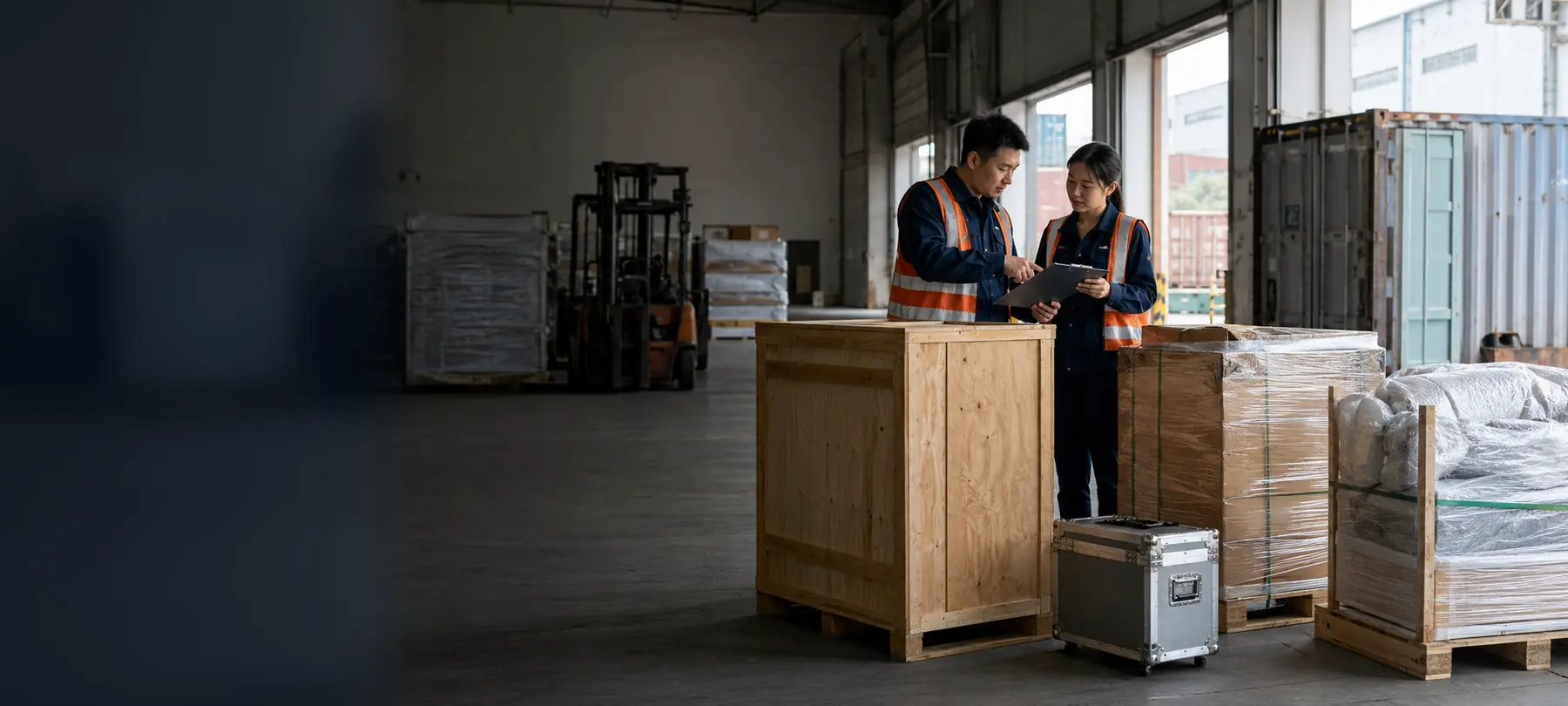
DAP, or Delivered at Place, is an Incoterms rule that defines when risk and responsibility transfer from seller to buyer. Under DAP, the seller delivers the goods to the named destination, ready for unloading. The seller bears all risks and costs up to that point, including export clearance, main carriage, and any transit arrangements, but excluding import clearance, duties, taxes, and unloading at destination. The buyer is responsible for import customs clearance, paying duties and taxes, and any import-related formalities. DAP terms in shipping do not automatically include unloading; if unloading is required from the seller, that should be specified separately. The exact division of costs and risks depends on the named place and the mode of transport, so the terms must be confirmed in the sales contract.
Exporter, Importer of Record, Qualified Customs Broker, and Freight Forwarder Responsibilities
In any cross-border shipment, several parties have distinct roles. The exporter (seller) is responsible for packing, labeling, and export documentation, and for arranging carriage to the named place under DAP. The importer of record (buyer) is legally responsible for ensuring the goods are properly declared to customs, paying duties and taxes, and complying with import regulations. A qualified customs broker, licensed in the destination country, can handle customs clearance on behalf of the importer, but the importer remains ultimately responsible. A freight forwarder arranges transportation and may coordinate with customs brokers, but unless separately licensed as a customs broker, a forwarder does not clear customs. Rey Logistics is not a licensed US or Canadian customs broker; customs-facing handoffs and destination delivery are coordinated through qualified North American partners. Importers should confirm in writing who will act as importer of record, who will file customs entries, and who pays destination charges.
Commercial Invoice, Packing List, Classification, Origin, and Cargo-Data Requirements
Accurate documentation is critical for smooth customs clearance and to avoid delays or penalties. The commercial invoice must show the seller and buyer, a complete description of the goods, quantity, unit value, total value, currency, and the terms of sale (Incoterms). The packing list should detail the contents of each package, including weights and dimensions. Classification (HS code) and country of origin must be determined by the importer or a qualified customs broker; Rey Logistics does not assign HS codes or provide classification advice. Cargo data such as gross weight, dimensions, and number of packages must be accurate for transport and customs purposes. Any discrepancy can trigger inspections, delays, or additional costs. Importers should review all documents for consistency before shipment.
Incoterm, Duty/Tax, DDP, Door-to-Door, and Destination-Scope Distinctions
DAP is often confused with DDP (Delivered Duty Paid) and door-to-door service. Under DDP, the seller is responsible for import clearance, duties, and taxes, delivering the goods to the named place. Under DAP, the buyer handles those import responsibilities. Door-to-door is a transport arrangement where goods are picked up at origin and delivered to the destination door; it does not automatically mean DDP. The Incoterm determines who pays duties and taxes, not the transport mode. For example, a shipment can be door-to-door under DAP, meaning the seller arranges transport to the door but the buyer still clears customs and pays duties. Importers must confirm the Incoterm and the scope of destination services in writing. DAP terms in shipping require the buyer to be prepared for customs clearance and destination charges, which may include terminal handling, delivery, and unloading. The destination scope, such as whether delivery is to a warehouse or a residence, should be clearly agreed.
Pre-Shipment Document Review Checklist and Questions for Qualified Advisers
Before shipping under DAP, importers should conduct a document review to ensure all requirements are met. Use the following checklist as a guide, and consult qualified customs brokers or trade advisers for specific advice.
| Document/Item | Responsible Party | Key Checks |
|---|---|---|
| Commercial Invoice | Seller | Complete description, value, currency, Incoterms, seller/buyer info |
| Packing List | Seller | Package count, weights, dimensions, contents per package |
| HS Classification | Importer/Broker | Correct code per destination tariff; confirm with broker |
| Country of Origin | Seller/Importer | Accurate origin marking and documentation |
| Import License/Permits | Importer | Check if required for goods; obtain before shipment |
| Customs Bond | Importer | Ensure bond is in place if required |
| Destination Delivery Arrangements | Buyer/Forwarder | Confirm delivery address, unloading, and any access restrictions |
Questions to ask qualified advisers: Who will act as importer of record? What are the duty and tax rates for these goods? Are there any import restrictions or special requirements? What documents are needed for customs clearance? Who is responsible for unloading at destination? What are the expected destination charges beyond freight? How will delivery be coordinated? These questions help clarify responsibilities and avoid surprises.
Frequently Asked Questions
Under DAP shipping terms, who is responsible for customs clearance?
The buyer (importer of record) is responsible for import customs clearance under DAP. The seller handles export clearance and delivery to the named place. The buyer must arrange and pay for import clearance, duties, and taxes, often through a qualified customs broker.
Does DAP include unloading at the destination?
No, DAP does not include unloading. The seller delivers the goods ready for unloading at the named place, but the buyer is responsible for unloading unless otherwise agreed in the sales contract. Any unloading services should be specified separately.
Can Rey Logistics handle customs clearance under DAP?
Rey Logistics is not a licensed US or Canadian customs broker. We coordinate customs-facing handoffs through qualified North American partners, but the importer of record remains responsible for customs clearance and duty payment.
What documents are needed for a DAP shipment to the US or Canada?
A commercial invoice, packing list, and transport document are essential. The importer must also ensure classification, origin, and any required import licenses or permits are in order. A qualified customs broker can advise on specific documentation requirements for the goods.
How is DAP different from door-to-door service?
DAP is an Incoterm that defines risk and responsibility transfer, while door-to-door is a transport arrangement. A shipment can be door-to-door under DAP, meaning the seller arranges transport to the destination door but the buyer still clears customs and pays duties. Door-to-door does not automatically include DDP responsibilities.